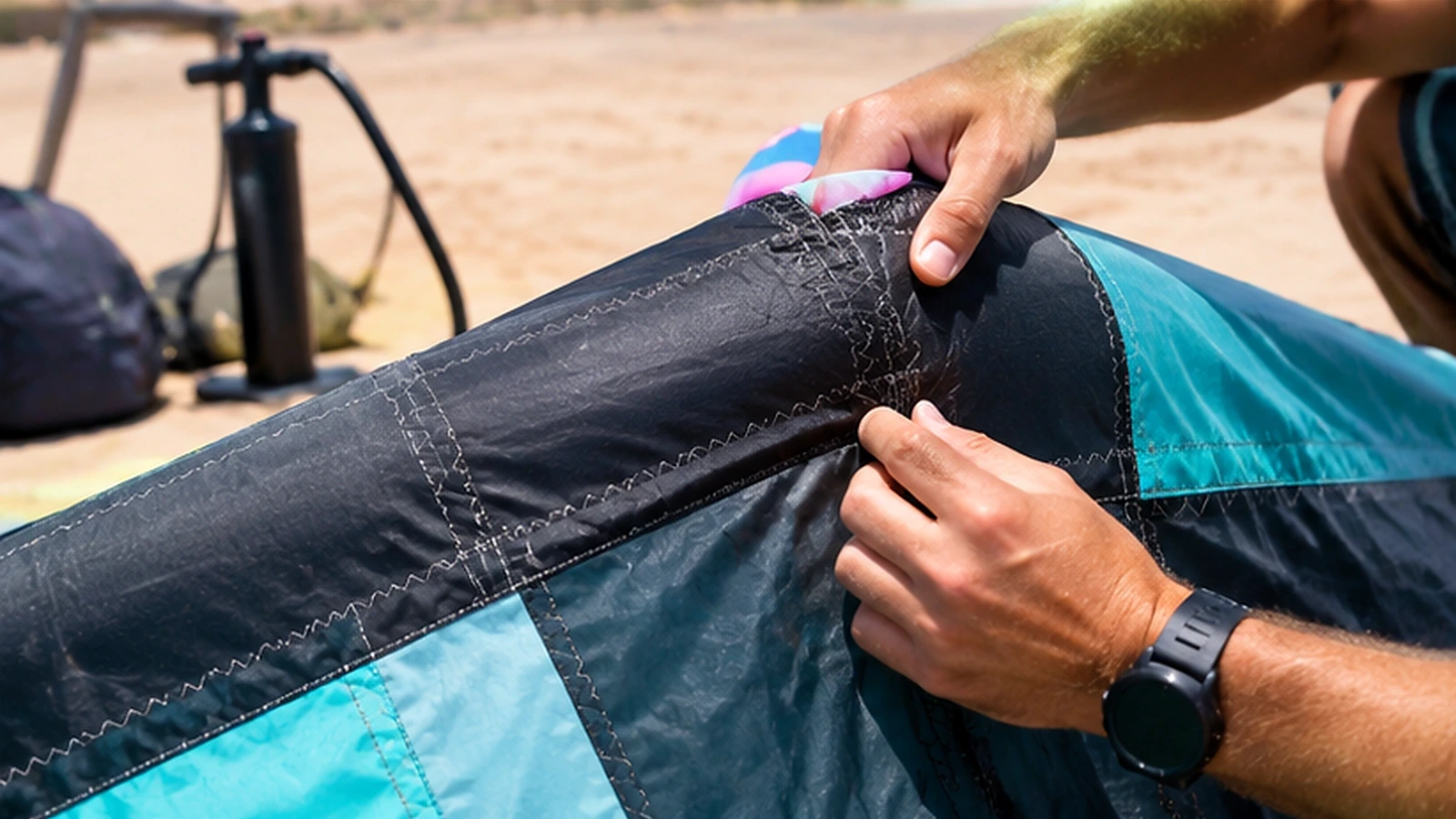
When buying a second-hand kitesurf kite, check its exact model and size, repair history, inflation condition, canopy and seams, bridles, and the compatibility of the control system. A low asking price only represents good value if the equipment is suitable, serviceable and complete. No online checklist can certify a used kite as safe, so involve an experienced instructor or qualified technician before using unfamiliar equipment.
Start with the identity of the kite, not the discount
Ask for the manufacturer, model version, size and manufacturing year, together with recent photographs of the actual item. An older high-performance big-air kite may be the wrong choice for someone working on basic riding skills, even if it is immaculate. Confirm the intended riding style and the wind range in the correct manufacturer’s guidance.
Waterfly’s listings illustrate why the details matter: its used Enduro V4 9 m page describes its condition and repair history, while an Edge V11 10 m second-hand listing describes a different style of kite and reports a prior minor repair. Treat these as listing disclosures to verify, not independent condition certificates or proof that the items are still available.
Inspection checklist: from canopy to bridles
1. Canopy fabric, seams and leading edge
- Request close photographs of the entire kite, especially high-wear zones, wing tips and the leading-edge seam.
- Ask about patches, professional repairs, abrasion and any canopy tearing or loosened stitching.
- Inspect attachment points and the material around valves. Do not infer internal condition from a clean outside surface.
Small cosmetic marks and structural damage are not the same issue. A repair may be entirely serviceable, but only the right inspection can establish its condition. Ask who carried it out and whether a receipt or repair details are available.
2. Bladders and valves
For inflatable kites, ask for a controlled inflation check performed according to the exact model’s instructions. Observe whether the kite holds its shape and whether valves or connectors show signs of trouble. A quick photo of an inflated kite cannot rule out a slow leak. Never inflate beyond the manufacturer-recommended pressure just to ‘prove’ a bladder is good.
3. Bridles and pulleys, where fitted
Examine each bridle line for wear and damaged stitching, and look for irregular repairs or knotted sections. If the model uses pulleys, inspect their movement and the associated lines. A kite whose bridle geometry has been modified or whose original parts cannot be identified needs specialist attention before purchase.
The control bar and safety system deserve equal attention
A seller may advertise a kite without a bar. If a bar is included, verify its exact model, line length and configuration rather than assuming that any four-line bar will work. The International Kiteboarding Organization’s guidance on bars and safety systems explains why the way a release depowers a kite matters. The fact that connectors fit together is not proof of compatible or safe operation.
Inspect the chicken-loop release, safety leash, depower and trim components, flying lines, pigtails and wear points with a competent person. Confirm the correct manufacturer’s reset and pre-flight procedures. Do not experiment with an unfamiliar release under kite load.
What is actually included in the sale?
| Item | Question to ask |
|---|---|
| Kite | Bag, original bridles, repair pack and any missing parts? |
| Bar and lines | Included or sold separately, and verified compatible with this kite? |
| Safety leash | Present, correctly matched and in serviceable condition? |
| Repairs | Where, when and by whom were they carried out? |
| Shipping or collection | What is the handover method and can the real item be examined? |
For buyers near Costa Calma, remember that Waterfly’s published address is explicitly not a walk-in physical shop; arrange any visit with the business in advance. The product pages may also ask buyers to confirm delivery timing before paying.
Three situations where you should walk away
- The seller cannot identify the kite model, year or its compatible safety system.
- There is unexplained structural damage, an unknown repair, or a component that cannot be professionally assessed.
- The total cost of replacement parts, repair and inspection erases the saving over a more suitable alternative.
The IKO’s kite and control-bar equipment guidance also emphasises looking after fabric, lines and connections to reduce wear; condition and storage history matter, not just age.
Before your first session
Have the complete setup checked, learn its particular safety release under qualified guidance and select conditions within your skill level. If you are comparing used gear, begin with the documented details on Waterfly’s second-hand Enduro V4 listing and ask for current photos, included parts and availability before committing.